When the weather turns cold or school is out, many of us fall into the familiar pattern: snacks, screens, and surviving the day.
But here’s the thing: Kids don’t actually want to be on screens all day — they want to play, create, move, and be part of something. Sometimes, they just need a little inspiration (and so do we, as parents and caregivers).
Here are six screen-free ideas to keep kids busy, learning, and having fun — without needing to buy anything new or set up an elaborate Pinterest-perfect activity.
1. Let Them Take Over the Kitchen (Safely)
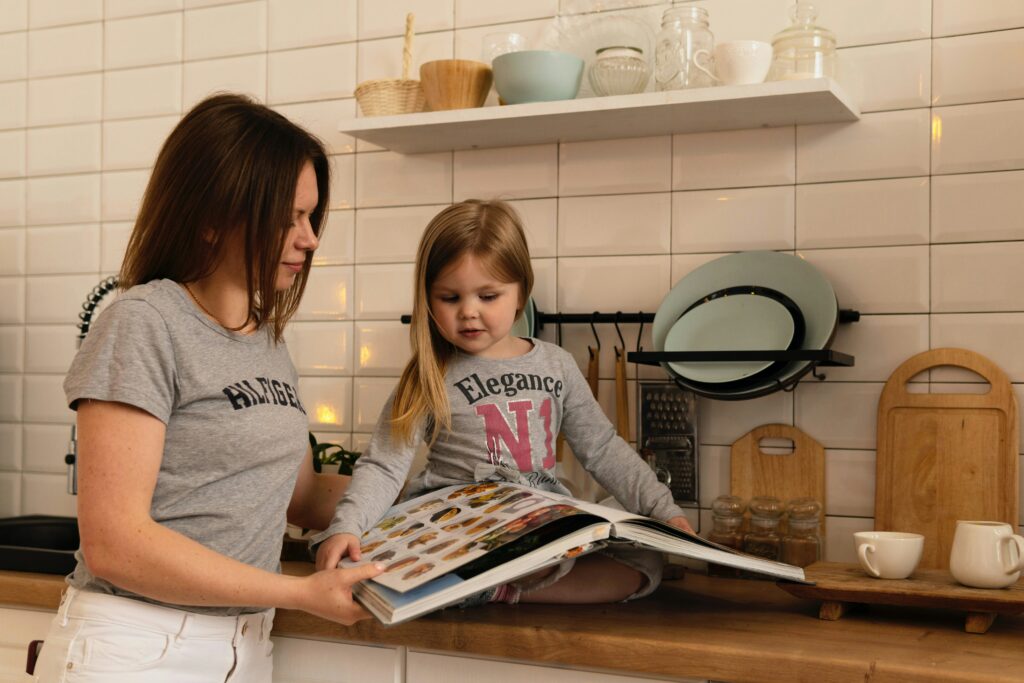
Cooking is one of the best ways to build confidence and independence while learning math, science, reading, and even history.
- Start with simple recipes: smoothies, muffins, sushi rolls, or wraps.
- Assign roles: mixer, measurer, taste-tester.
- Want bonus points? Let them write the menu, decorate the table, and serve you a “restaurant-style” meal.
Even toddlers can help with rinsing veggies or sprinkling toppings — and older kids love the challenge of mastering something new in the kitchen.
Tip: Keep a kid-safe butter knife or a nylon knife on hand for safe cutting practice.
2. Create a DIY Art & Craft Bin

Pull out whatever you have — paper rolls, fabric scraps, leftover ribbon, broken crayons, glue sticks. Then challenge your child to:
- Build a puppet and put on a show
- Design a bookmark for each family member
- Make their own board game or puzzle
Low-pressure, high-creativity. The mess is temporary — the benefits are lasting.
3. Play “Librarian”
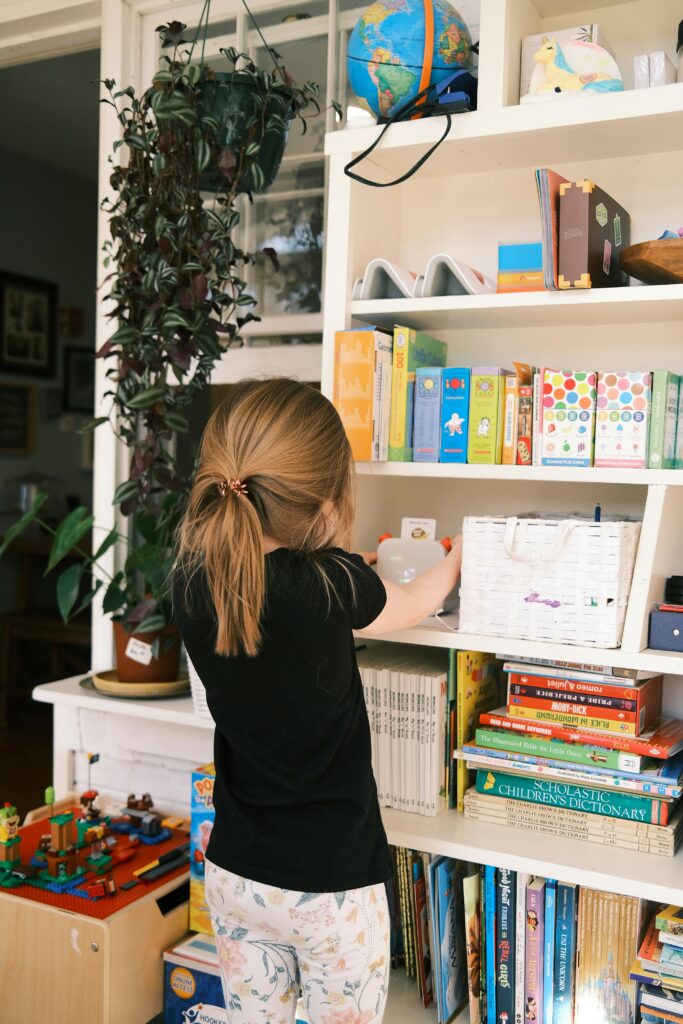
Set up a mini library at home. Kids can:
- Organize books by colour or subject
- Write and read out “book reviews”
- Create a checkout system and take turns being the librarian
This works great even if you only have a handful of books — and it encourages reading, organizing, and leadership skills.
4. Try a “Learning Through Play” Challenge
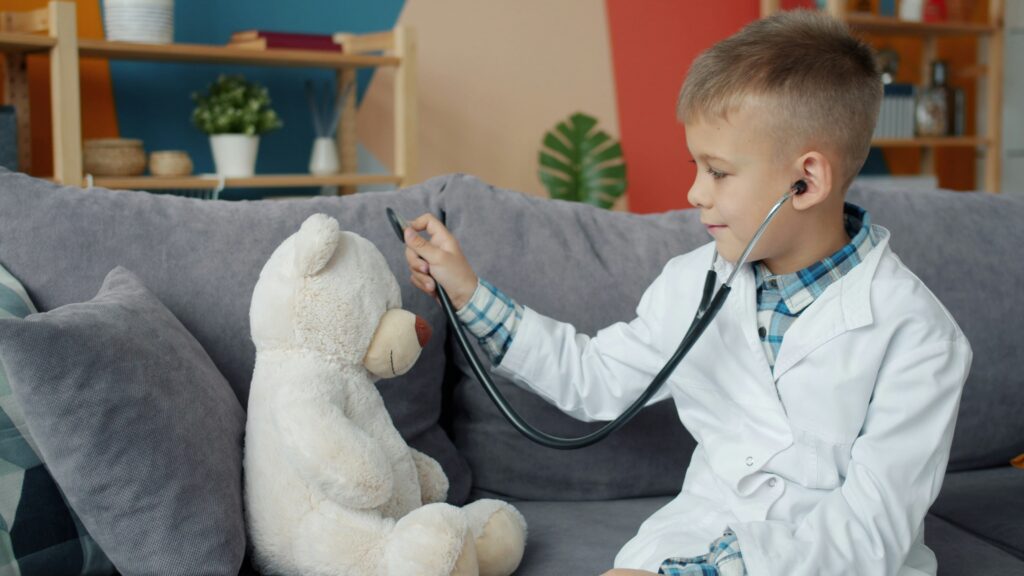
Use themes like:
- Country of the Day: Learn a greeting in a new language, cook a traditional snack, draw the flag.
- Nature Detectives: Go outside and find 3 types of leaves or identify bird calls online (OK, 5 minutes of screen allowed here 😉).
- Inventor’s Workshop: Challenge them to invent something using only 5 household items.
These are great for neurodivergent kids, too, as you can adjust the activity pace and allow for lots of sensory input or calm moments as needed.
5. Build in Sensory-Friendly Options

For some kids, especially those who are neurodivergent, unstructured time can feel overwhelming. Try:
- A calming corner with soft lighting, pillows, and fidget toys
- Soothing music and a DIY lava lamp (water + oil + food colouring + Alka-Seltzer)
- Predictable routines with visuals to help them feel grounded
The key? Let them move between activities at their own pace. Kids don’t need constant entertainment — they just need connection and a safe space to be themselves.
6. Host a “Snack-tivity” Day
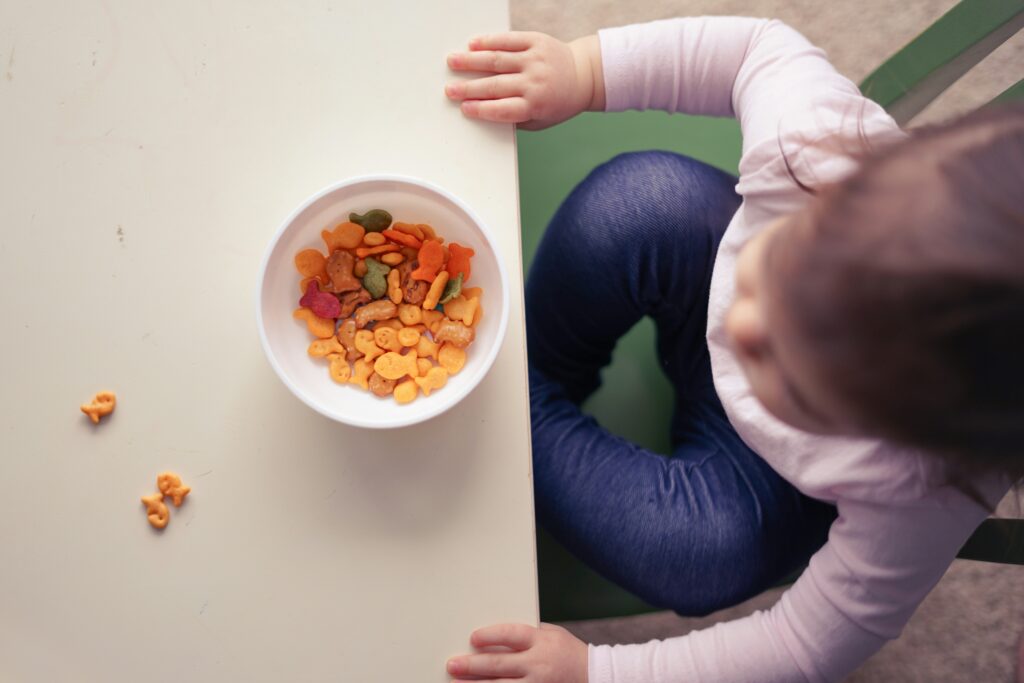
Combine snack-making with creativity:
- Decorate toast with nut butter and fruit
- Build animals from veggies
- Make layered yogurt parfaits with granola art
You’ll cover two goals at once: feed them and keep them busy.
Bonus Tip: Tap into Local Programs That Get Kids Off Screens and Into Action
Whether it’s a cooking class, an art drop-in, or a nature-based workshop, local programs can be lifesavers — especially on PA Days or during the long winter months.
At Jardin Infantil Academy, we offer sensory-friendly, inclusive hands-on programs that welcome all learning styles — including children who benefit from extra support or a more relaxed pace. Every activity is screen-free, deeply engaging, and designed to spark joy through food, culture, and community.